- Shop A054 / 147-189 Brisbane Road. Biggera Waters, QLD 4216
- admin@htdoctors.com.au
- Contact: 07 5222 7117

We Are Open 7 Days a Week
Monday to Friday 8:30am to 5:00 pm
Saturday & Sunday 9:00am to 1:00pm
Walk-Ins Welcome
How to Manage Allergies with the Help of Your GP
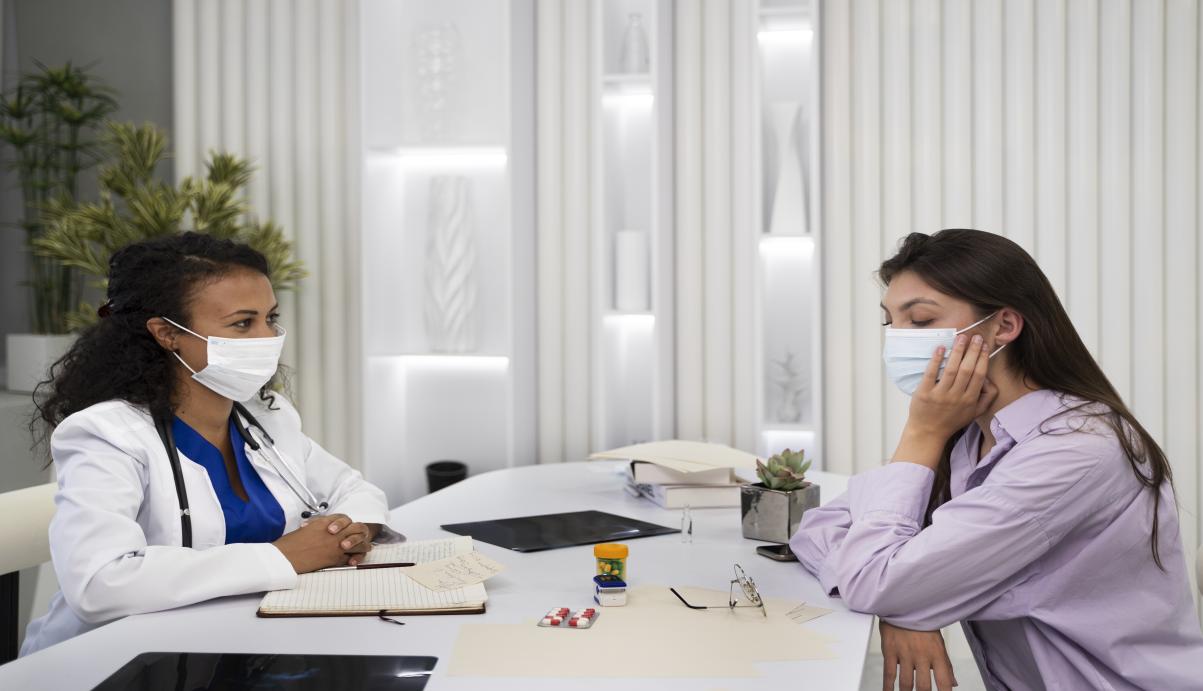
At Harbour Town Doctors, compassionate care begins with understanding that allergies can impact daily comfort, focus, and overall well-being. Effective management requires more than simply avoiding triggers; it involves expert guidance, ongoing assessment, and a treatment plan tailored to individual needs. This guide explains how general practitioners (GPs) play a central role in identifying, diagnosing, and managing allergies for better long-term health.
Table of Contents
Key Takeaways
- GPs play an essential role in diagnosing and managing allergies.
- Early testing assists in accurately identifying triggers.
- Treatment involves a combination of medication, prevention, and lifestyle management.
- Severe reactions require immediate emergency care.
- Ongoing reviews help maintain effective control of symptoms.
Understanding Allergies
- An allergy occurs when the immune system reacts excessively to substances that are generally harmless to most people, such as pollen, dust, pet dander, or certain foods. This overreaction can trigger a wide range of symptoms, from mild irritation and discomfort to severe and potentially life-threatening anaphylaxis.
- Across Australia, more than four million people experience allergic conditions each year. The growing number of cases of allergies and anaphylaxis in Australia has made it one of the nation’s fastest-rising public health challenges, affecting both children and adults in diverse environments.
The Role of a GP in Allergy Management
1. Identifying Symptoms Early
General practitioners are often the first point of contact for individuals experiencing allergy-related issues such as sneezing, itching, rashes, nasal congestion, or persistent fatigue. Early medical evaluation can help determine whether symptoms are allergy-related or caused by other conditions, such as sinus infections, respiratory illnesses, or asthma. Prompt identification allows for faster relief and prevents unnecessary complications.
3. Diagnostic Testing
A GP can arrange specific allergy tests to identify the exact cause of reactions. These may include skin prick tests, blood tests, or referrals to allergy and immunology specialists for further assessment. Proper diagnostic testing ensures that treatment is targeted at the root cause of symptoms rather than relying on temporary measures that only mask discomfort.
3. Personalised Treatment Plans
Once allergens are confirmed, a GP can design a tailored management plan that addresses the individual’s unique triggers and health needs. This may involve prescribing antihistamines, corticosteroids, or recommending allergen immunotherapy. In addition to medication, a GP may suggest lifestyle changes such as improving indoor air quality, adjusting diet, or reducing exposure to known irritants for better symptom control.
4. Coordinating Care
For individuals with complex or severe allergic conditions, a GP plays an essential role in coordinating care with other healthcare professionals, including immunologists, dermatologists, or respiratory specialists. This collaborative approach ensures comprehensive and continuous management, especially for patients with asthma or chronic allergic disorders.
Common Types of Allergies
- Environmental Allergies: Triggered by pollen, dust mites, mould, or animal dander, these are among the most common forms of allergies and often lead to hay fever or asthma-like symptoms.
- Food Allergies: Common triggers include peanuts, shellfish, eggs, and milk. Symptoms can range from mild itching to severe anaphylactic reactions, requiring careful dietary management.
- Drug Allergies: Certain medications, such as antibiotics, aspirin, or anaesthetics, can cause allergic responses, sometimes appearing after repeated exposure.
- Skin Allergies: Conditions like eczema or contact dermatitis result from exposure to specific substances, leading to redness, itching, and inflammation of the skin.
- Seasonal Allergies: Often referred to as hay fever, these occur at particular times of the year when airborne allergens, especially pollen, are more prevalent.
Each allergy type demands a distinct management strategy. Recognising the pattern of reactions, identifying environmental or dietary triggers, and following targeted prevention methods are key steps toward long-term control and relief.
Practical Strategies for Managing Allergies
Track Symptoms Regularly
Keeping a detailed record of allergic reactions, including when episodes occur, potential triggers, and the severity of symptoms, can help identify patterns over time. This information enables healthcare providers to adjust treatment plans more precisely and assess how well specific medications or lifestyle changes are working.
Limit Exposure
Minimising exposure to allergens is one of the most effective ways to manage symptoms. Regular cleaning, using air purifiers, keeping windows closed during high pollen periods, and washing bedding in hot water can significantly reduce allergens indoors. These small adjustments can have a major impact on comfort and symptom control.
Check Pollen Counts
Before planning outdoor activities, it is helpful to check the Bureau of Meteorology’s pollen forecast. Avoiding outdoor exercise during peak pollen times, particularly in the morning or on windy days, can reduce allergic flare-ups and breathing difficulties.
Consider Immunotherapy
Allergen immunotherapy, also known as desensitisation, gradually reduces the body’s sensitivity to specific allergens over time. This long-term treatment can help decrease symptoms and medication dependence, offering lasting improvement for individuals with persistent or severe allergies.
Maintain General Health
A strong immune system supports the body’s ability to manage allergies effectively. Balanced nutrition, proper hydration, sufficient sleep, and regular health check-ups all contribute to better resilience. Managing stress and avoiding smoking can also reduce inflammation and improve respiratory health.
When to See a GP for Allergy Support
Persistent or worsening symptoms should always be taken seriously. Consulting a GP is recommended if:
- Over-the-counter medications provide only limited or short-term relief.
- Reactions begin to interfere with daily tasks, sleep quality, or concentration.
- Symptoms change in frequency, severity, or appear during new seasons or environments.
- There is a personal or family history of severe allergic reactions or anaphylaxis.
Timely medical attention helps prevent complications such as chronic sinusitis, recurrent infections, or worsening respiratory problems. Consistent management and monitoring also improve overall quality of life and reduce the likelihood of future flare-ups.
Conclusion
Managing allergies requires more than symptom relief; it involves an ongoing partnership between patient and doctor. With the support of Harbour Town Doctors’ comprehensive services, individuals can identify triggers, access accurate testing, and follow evidence-based treatment for lasting comfort and health. Contact us today to take control of allergy symptoms and restore everyday well-being.
FAQs
A GP can perform a clinical assessment and request diagnostic tests such as blood or skin prick testing to identify specific allergens. The findings guide the creation of an appropriate treatment plan.
Treatment may involve the use of antihistamines, nasal sprays, corticosteroids, or allergen immunotherapy. The choice of treatment depends on the cause, severity, and frequency of symptoms.
An allergy is considered serious if it causes symptoms such as breathing difficulty, swelling of the face or throat, dizziness, or loss of consciousness. These signs may indicate anaphylaxis and require urgent medical care.
Allergies can develop at any stage of life. Changes in immune function, environmental exposure, or overall health may increase the likelihood of developing new sensitivities over time.
Some forms of allergy testing requested by a GP may be eligible for Medicare rebates. The level of coverage depends on the type of test and current healthcare policies.
Allergy management should be reviewed regularly to ensure continued effectiveness. Annual reviews are generally recommended, particularly if symptoms change or new triggers appear.
Quick Links
Contact Info
-
Harbour Town Premium Outlets.
Shop A054 / 147-189 Brisbane Road.
Biggera Waters, QLD 4216 - 07 5222 7117
- 07 5222 7112
- admin@htdoctors.com.au
-
Mon to Fri - 8:30am to 5:00pm
Sat and Sun - 9:00am to 1:00pm
Medical Centre Near Me
24 Hour Medical Centre Near Me
Bulk Billing Medical Centre Near Me
After Hours GP Near Me
GP Near Me
Best Doctors Gold Coast
Doctors Near Me
Bulk Billing Doctor Near Me
Bulk Bill Doctors Near Me
Female Doctors Near Me
Sexual Health Clinic Near Me
Women’s Health Clinic Near Me
Cosmetic Fillers Near Me

At Harbour Town Doctors, we have been providing comprehensive medical care to patients, utilising a team of experienced doctors and allied healthcare professionals through a continuous envelope of personalised care.
Quick Links
Contact Info
-
Harbour Town Premium Outlets.
Shop A054 / 147-189 Brisbane Road.
Biggera Waters, QLD 4216 - 07 5222 7117
- 07 5222 7112
- admin@htdoctors.com.au
-
Mon to Fri - 8:30am to 5:00pm
Sat and Sun - 9:00am to 1:00pm
Medical Centre Near Me
24 Hour Medical Centre Near Me
Bulk Billing Medical Centre Near Me
After Hours GP Near Me
GP Near Me
Best Doctors Gold Coast
Doctors Near Me
Bulk Billing Doctor Near Me
Bulk Bill Doctors Near Me
Female Doctors Near Me
Sexual Health Clinic Near Me
Women’s Health Clinic Near Me
Cosmetic Fillers Near Me
Harbour Town Doctors © 2026. All rights reserved.