

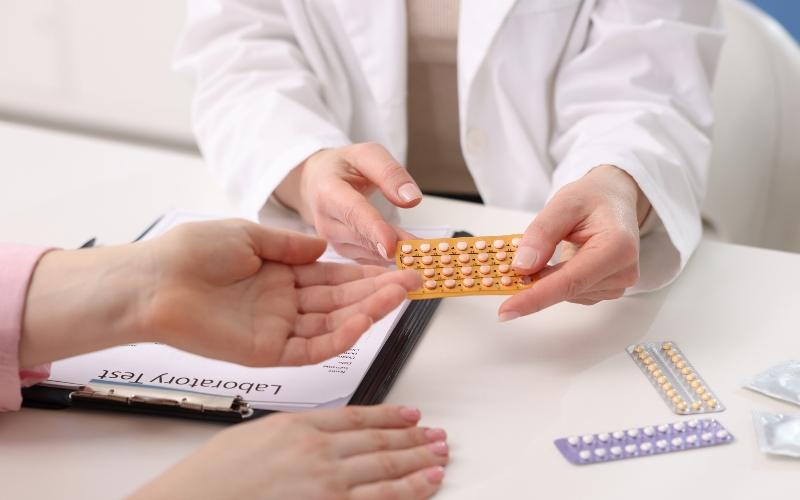
There has never been more choice when it comes to contraception. That is good news, but it can also feel confusing. Should you stay on the pill? Is an implant or IUD better? What happens if you forget a dose, want to get pregnant soon, or are getting closer to menopause?
This guide walks you through the main contraception options available in Australia, including the contraceptive pill, the contraceptive implant, hormonal and copper IUDs, the injection, the vaginal ring and condoms. We cover how each method works, how effective it is, and what to think about when choosing. When you are ready, a GP at Harbour Town Doctors in Biggera Waters can help you find the method that suits you.
The Short Answer
- Long acting methods, the contraceptive implant and IUDs, are the most effective forms of contraception and last for years.
- The pill, vaginal ring and injection work well, but rely on you remembering to take, change or book them on time.
- Condoms are the only method that also protects against sexually transmitted infections (STIs).
- Emergency contraception is available if a method fails or you have unprotected sex.
- The best method is the one that fits your health, your plans and your lifestyle, and a GP can help you choose.
How To Choose
Contraception That Suits You
There is no single best type of contraception. The right choice depends on you. When you talk with a GP, it helps to think about:
- How effective you need it to be, and how you would feel about an unplanned pregnancy
- Whether you want something you do not have to think about every day
- When you might want to get pregnant in the future
- How your periods are now, and whether you would like them lighter or less painful
- Your health history, including migraines, blood clots, blood pressure and smoking
- Any medicines you take, as some can make hormonal contraception less effective
- Whether you also need protection from STIs
Your GP will check your blood pressure and health history before recommending hormonal contraception, so it is safe for you.
Long Acting Reversible
Contraception (LARC)
Long acting reversible contraception, often called LARC, includes the contraceptive implant and intrauterine devices (IUDs). Once in place, they keep working for years without you having to do anything, and they can be removed whenever you choose. Your fertility returns quickly after removal.
Contraceptive Implant
Hormonal IUD
Copper IUD
The Contraceptive Implant
The contraceptive implant, sometimes called the rod or bar, is a matchstick sized rod placed just under the skin on the inside of your upper arm. It slowly releases a progestogen hormone that stops ovulation. Insertion is a quick procedure with a local anaesthetic, and removal is similar.
Bleeding patterns can change with the implant. Some people have no periods, some have light or irregular bleeding, and a smaller number have frequent bleeding, which can often be managed. Contraceptive implant insertion and removal are available at Harbour Town Doctors. Ask when you book so the right appointment time is set aside.
Hormonal And Copper IUDs
An IUD is a small device placed inside the uterus by a trained doctor or nurse. Hormonal IUDs release a small amount of progestogen and are also used to manage heavy or painful periods, which is one reason they are popular in your 40s. Copper IUDs contain no hormones and are a good option if you prefer to avoid them.
IUD insertion takes place during a short appointment. If you are interested in an IUD, talk with one of our GPs about whether it suits you, and our team can advise on insertion or arrange a referral to a provider who offers it.
Short Acting
Hormonal Methods
These methods are effective when used correctly, but they depend on you taking, changing or renewing them on time. With typical use, they are less effective than an implant or IUD.
Combined Pill
Progestogen Only Pill
Contraceptive Injection
Vaginal Ring
Barrier, Natural
And Permanent Methods
- External and internal condoms: the only contraception that also helps protect against STIs. Easy to get without a prescription.
- Diaphragm: a reusable soft cup placed in the vagina before sex.
- Fertility awareness: tracking your cycle to avoid sex on fertile days. It takes training and is less reliable.
- Withdrawal: better than nothing, but one of the least effective methods.
- Vasectomy and tubal ligation: permanent options for people who are sure they do not want children in future.
How Effective
Is Contraception?
Effectiveness is usually given for typical use, meaning how well a method works in real life, including missed pills and late injections. These approximate figures show how many people out of 100 would avoid pregnancy over a year:
- Contraceptive implant: more than 99 out of 100
- Hormonal IUD and copper IUD: about 99 out of 100
- Contraceptive injection: about 96 out of 100
- Combined pill, mini pill and vaginal ring: about 93 out of 100
- External condoms: about 88 out of 100
- Withdrawal and fertility awareness: roughly 76 to 80 out of 100
The lesson is simple. Methods you do not have to remember are much more reliable day to day. If the pill keeps slipping your mind, a long acting method may be worth considering.
Emergency
Contraception
If you have had unprotected sex, a condom has broken, or you have missed pills, emergency contraception can lower the chance of pregnancy. Act as soon as you can.
Emergency Contraceptive Pill
Copper IUD
Emergency contraception is not an abortion and will not affect an existing pregnancy. A GP can talk through options with you confidentially, and suggest STI testing if it is needed.
Contraception At
Different Stages Of Life
Teens And Young Adults
Young people can usually see a GP confidentially about contraception. From age 15 you can apply for your own Medicare card. Long acting methods are safe and very effective for young people, including those who have never been pregnant.
After Having A Baby
You can become fertile again sooner than many people expect after giving birth. Some methods, such as the mini pill, implant and IUD, are suitable while breastfeeding. It is a good idea to plan your contraception during pregnancy and antenatal care so it is ready when you need it.
In Your 40s And Perimenopause
Pregnancy is still possible until menopause, even when periods become irregular. Some methods, such as a hormonal IUD, can also help with heavy bleeding. Read more in our guide to perimenopause symptoms and how your GP can help.
Contraception And
Your Sexual Health
Most contraception does not protect you from STIs. If you have a new partner or more than one partner, using condoms as well as your main method, and having regular STI checks, is the best way to look after your sexual health. Our sexual health clinic offers confidential STI testing and advice.
Contraception appointments are also a good time to catch up on cervical screening and other checks covered in our guide to essential health screenings every woman should have. If heavy periods have left you feeling tired, your GP may also check for iron deficiency.
When To See A GP
Straight Away
Contact a GP promptly, or call 000 in an emergency, if you have:
- Pain or swelling in one leg, chest pain or sudden shortness of breath, especially on the combined pill or ring
- A sudden severe headache, or a new migraine with changes to your vision
- Severe pelvic pain, fever or unusual discharge after an IUD is inserted
- Trouble feeling your IUD strings, or an implant you can no longer feel under the skin
- A missed period or other signs you could be pregnant
If you think your contraception may have failed, do not wait. Emergency contraception works best the sooner it is used.
For other symptoms that should never wait, see our guide to warning signs you should see a GP immediately.
Contraception Advice
At Harbour Town Doctors

Our women’s health GPs can talk through every option in this guide, help you weigh up the pros and cons, and review your contraception as your needs change. Female GPs are available if you would feel more comfortable seeing a woman doctor, and all consultations are confidential.
Harbour Town Doctors is a bulk billing medical centre at Harbour Town Premium Outlets in Biggera Waters, open 7 days, with free parking. We are close to Labrador, Runaway Bay, Coombabah, Hollywell and Southport. You can book an appointment online, meet our team or check our frequently asked questions before you visit.
Contraception
Frequently Asked Questions
The contraceptive implant and IUDs are the most effective reversible methods, preventing more than 99 in 100 pregnancies. Because you do not have to remember them, they work just as well in real life as in studies.
The main types are long acting methods (implant and IUDs), short acting hormonal methods (combined pill, mini pill, injection and vaginal ring), barrier methods such as condoms and diaphragms, fertility awareness, and permanent methods such as vasectomy and tubal ligation.
A contraceptive implant lasts for up to 3 years. It can be removed earlier at any time, and your fertility returns quickly after removal.
Most people feel some cramping during IUD insertion and for a short time afterwards. Pain relief options can be discussed before the procedure, and the appointment itself is short.
Yes. Contraceptive implant insertion and removal are available at our Biggera Waters clinic. Please mention it when you book so the right appointment is scheduled.
A hormonal IUD releases a small amount of progestogen and often makes periods lighter. A copper IUD has no hormones, lasts longer, and may make periods heavier. Both are highly effective.
There is no single best pill. The combined pill and the mini pill suit different people. Your GP will consider your health history, blood pressure and any side effects to recommend the right one for you.
No. The emergency contraceptive pill is available from pharmacies without a prescription. A copper IUD inserted within 5 days is even more effective.
Only condoms help protect against STIs. If you use another method, consider using condoms too and having regular STI checks.
Yes. Female GPs are available at Harbour Town Doctors. You can request a female doctor when booking online or by calling reception.
Choosing contraception is a personal decision, and it is fine to change your mind as your life changes. Whether you are starting contraception for the first time, thinking about switching from the pill, or want something that lasts for years, our team at Harbour Town Doctors is here to help women and couples across the northern Gold Coast make an informed choice.
This article is general information only and is not a substitute for personalised medical advice. Please speak with a GP about your own health.