- Shop A054 / 147-189 Brisbane Road. Biggera Waters, QLD 4216
- admin@htdoctors.com.au
- Contact: 07 5222 7117

We Are Open 7 Days a Week
Monday to Friday 8:30am to 5:00 pm
Saturday & Sunday 9:00am to 1:00pm
Walk-Ins Welcome
The Ultimate Parent’s Guide to Childhood Vaccinations
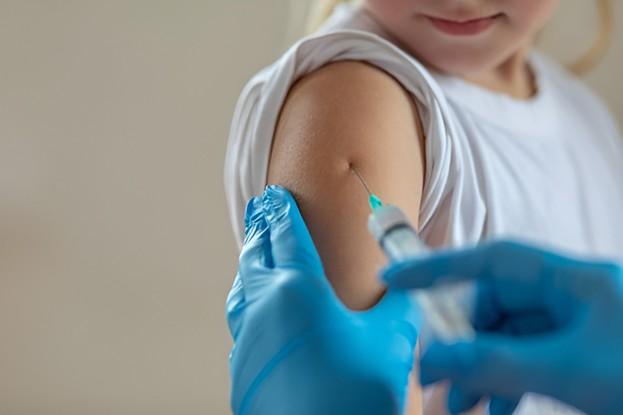
Childhood vaccinations are one of the most powerful and proven tools a parent has to protect their child’s health. They prevent serious illness, reduce hospitalisations, and protect the wider community. Yet many families still have questions about what vaccines are needed, when, and why. At Harbour Town Doctors, we are here to answer them.
Table of Contents
Key Takeaways
- All childhood vaccines on the National Immunisation Program are free: Eligible children receive vaccinations at no cost as long as they are on a Medicare card or eligible for one.
- On-time vaccination gives the best protection: Schedules are designed to build immunity at the ages children are most vulnerable to serious illness.
- Vaccination rates in Australia are declining: In 2024, one in three children received their first MMR dose late, putting those children and their communities at increased risk.
- Vaccines are thoroughly tested for safety: Every vaccine on the Australian schedule has passed rigorous clinical trials and ongoing safety monitoring before and after approval.
- Your GP is your best resource: If you have concerns about your child’s vaccination schedule, a GP can answer your questions, check your child’s history, and ensure nothing has been missed.
Why Childhood Vaccinations Matter
Young children are at the greatest risk from many infectious diseases. Their immune systems are still developing, which means their bodies are less equipped to fight off illnesses that an older child or adult might recover from without difficulty. Conditions like whooping cough, measles, and meningococcal disease can cause serious complications in infants and young children, including hospitalisation, brain damage, and in some cases death.
Vaccines work by safely preparing the immune system to recognise and respond to a pathogen before a child is exposed to it in the real world. Without immunisation, infants and young children may not be able to fight off diseases such as measles and whooping cough, which can lead to severe illness, long-term complications, or even death. Vaccines work by safely training your child’s immune system to recognise and respond to harmful bacteria and viruses before they ever encounter them.
Beyond protecting individual children, vaccinations also protect the broader community through herd immunity. When enough people in a community are immune to a disease, it struggles to spread, which in turn protects those who cannot be vaccinated, including newborns, pregnant women, and people with certain medical conditions.
Australia’s National Immunisation Program: What You Need to Know
Australia has one of the world’s most comprehensive childhood vaccination programs. The National Immunisation Program (NIP) Schedule provides a series of free vaccinations at specific ages from birth through to adolescence. All vaccines on the NIP schedule are funded by the Australian Government and available at no cost to eligible children.
The full childhood schedule covers protection against:
- Hepatitis B (given at birth and again at two, four, and six months)
- Diphtheria, tetanus, and whooping cough (pertussis)
- Haemophilus influenzae type b (Hib)
- Polio
- Pneumococcal disease
- Rotavirus (given orally at two and four months)
- Meningococcal disease (types B, A, C, W, and Y at various ages)
- Measles, mumps, rubella (MMR) and chickenpox (varicella)
- Human papillomavirus (HPV) for adolescents at age 12 to 13
The Recommended Schedule by Age
Birth
The first vaccine is given before a baby leaves hospital. The Hepatitis B vaccine is administered within 24 hours of birth, beginning protection against a potentially serious liver disease from the very start of life.
Two Months
At two months, babies receive their first combined vaccine protecting against six diseases simultaneously: Hepatitis B, diphtheria, tetanus, whooping cough, Hib, and polio. They also receive a meningococcal B vaccine and an oral rotavirus vaccine.
Four Months
The second dose of the six-in-one combined vaccine, plus a second meningococcal B and second rotavirus dose. A pneumococcal vaccine is also given at this point.
Six Months
A third dose of the combined vaccine completes the primary series. For Aboriginal and Torres Strait Islander children, additional hepatitis A vaccination is also scheduled at six months.
12 Months
At 12 months, children receive their first MMR vaccine protecting against measles, mumps, and rubella, as well as meningococcal ACWY and pneumococcal vaccines. This is a particularly important milestone on the schedule.
18 Months
The 18-month schedule includes a booster dose of the combined diphtheria, tetanus, and whooping cough vaccine, as well as the MMRV vaccine protecting against measles, mumps, rubella, and chickenpox.
Four Years
A booster dose of the combined diphtheria, tetanus, whooping cough, and polio vaccine is given at four years. This is the last vaccine in the primary childhood series before school programs begin.
12 to 13 Years
The school-based program provides HPV vaccination, and boosters for diphtheria, tetanus, whooping cough, and meningococcal ACWY. These are typically administered through Queensland Health’s school immunisation program.
Vaccination Rates Are Declining: What This Means for Families
Recent data from the National Centre for Immunisation Research and Surveillance (NCIRS) has raised significant concern about declining vaccination rates across Australia. According to the Immunisation Coalition’s 2024 coverage report summary, childhood vaccination coverage has declined across all major age milestones, with the largest drop seen at 12 months. In 2024, one in three children received their first MMR dose late, and one in five received their second DTP dose late.
This trend is concerning because on-time vaccination is critical. Delays in receiving vaccines leave children unprotected during the period when they are most vulnerable. Delayed MMR vaccination, in particular, exposes young children to measles during the window before their immunity is established.
Vaccination experts have warned that rates in some areas are now below the threshold required to sustain herd immunity, making outbreaks increasingly likely if the trend continues.
Common Questions Parents Ask
Are vaccines safe?
Every vaccine on the Australian National Immunisation Program has passed rigorous preclinical and clinical testing before approval, and safety monitoring continues after vaccines are in use. Mild side effects such as a sore arm, mild fever, or fussiness after a vaccination are common and temporary. Serious adverse reactions are very rare.
Can my child receive multiple vaccines at the same appointment?
Yes. Giving multiple vaccines at the same visit is safe and practical. An infant’s immune system is capable of responding to many different antigens simultaneously. Combining vaccines at a single visit reduces the number of appointments required and ensures protection builds up as quickly as possible.
What if my child has missed a scheduled vaccine?
Missed vaccines can be caught up. Under the National Immunisation Program, children are eligible for free catch-up vaccinations up to the age of 20. Your GP can review your child’s vaccination history and prepare a catch-up schedule. It is never too late to protect your child against vaccine-preventable diseases.
What about the flu vaccine?
Annual influenza vaccination is free through the NIP for children aged 6 months to less than 5 years, and for children with certain medical conditions. Flu can be serious for young children, and vaccination is the best way to reduce the risk of illness and complications during flu season.
How Our Clinic Supports Your Child’s Immunisation Journey
Childhood immunisations service at Harbour Town Doctors is designed to make the vaccination process as smooth and comfortable as possible for both children and parents. Our experienced GPs can provide vaccinations, review your child’s immunisation history, answer any questions you have, and arrange catch-up schedules for children who have missed doses.
We also maintain records through the Australian Immunisation Register, so your child’s vaccination history is always accessible regardless of where you live or which provider you see in the future.
For protecting your child’s health more broadly, the symptoms and warning signs that parents should never overlook, helping them know when to seek prompt medical attention beyond scheduled immunisation visits.
Conclusion
Vaccinations are one of the most straightforward and impactful steps you can take to protect your child’s health. If you have questions about the schedule, are unsure whether your child is up to date, or want to arrange a catch-up appointment, contact us today. We are located at Biggera Waters and we are here to support every family on the Gold Coast with accessible, personalised care.
FAQs:
All vaccines on the National Immunisation Program schedule are free for children eligible for Medicare in Australia.
The first vaccine, Hepatitis B, is given within 24 hours of birth before the baby leaves hospital.
Children can catch up on missed vaccines free of charge up to age 20 through the National Immunisation Program.
Yes. Giving multiple vaccines at one visit is safe and recommended to ensure children are protected as quickly as possible.
Herd immunity protects those who cannot be vaccinated when enough of the community is immune, limiting disease spread significantly.
Yes. Annual influenza vaccination is free and recommended for all children aged 6 months to under 5 years in Australia.
Quick Links
Contact Info
-
Harbour Town Premium Outlets.
Shop A054 / 147-189 Brisbane Road.
Biggera Waters, QLD 4216 - 07 5222 7117
- 07 5222 7112
- admin@htdoctors.com.au
-
Mon to Fri - 8:30am to 5:00pm
Sat and Sun - 9:00am to 1:00pm
Medical Centre Near Me
24 Hour Medical Centre Near Me
Bulk Billing Medical Centre Near Me
After Hours GP Near Me
GP Near Me
Best Doctors Gold Coast
Doctors Near Me
Bulk Billing Doctor Near Me
Bulk Bill Doctors Near Me
Female Doctors Near Me
Sexual Health Clinic Near Me
Women’s Health Clinic Near Me
Cosmetic Fillers Near Me

At Harbour Town Doctors, we have been providing comprehensive medical care to patients, utilising a team of experienced doctors and allied healthcare professionals through a continuous envelope of personalised care.
Quick Links
Contact Info
-
Harbour Town Premium Outlets.
Shop A054 / 147-189 Brisbane Road.
Biggera Waters, QLD 4216 - 07 5222 7117
- 07 5222 7112
- admin@htdoctors.com.au
-
Mon to Fri - 8:30am to 5:00pm
Sat and Sun - 9:00am to 1:00pm
Medical Centre Near Me
24 Hour Medical Centre Near Me
Bulk Billing Medical Centre Near Me
After Hours GP Near Me
GP Near Me
Best Doctors Gold Coast
Doctors Near Me
Bulk Billing Doctor Near Me
Bulk Bill Doctors Near Me
Female Doctors Near Me
Sexual Health Clinic Near Me
Women’s Health Clinic Near Me
Cosmetic Fillers Near Me
Harbour Town Doctors © 2026. All rights reserved.