

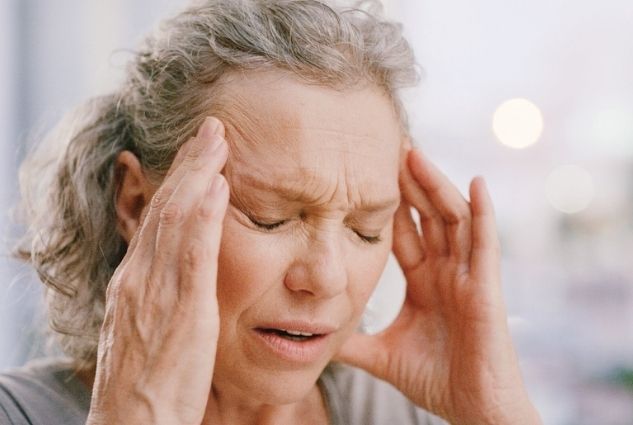
Feeling flat, foggy and out of breath on the stairs is easy to explain away as a busy life. Very often the real cause is iron deficiency, and it is one of the most common and most missed reasons people come in tired. Low iron is the most widespread nutritional deficiency in the world, and here on the Gold Coast it affects women with heavy periods, people who are pregnant, growing teenagers, regular blood donors and anyone with a gut condition that gets in the way of absorption.
The good news is that low iron is simple to check with a blood test and very treatable once the cause is understood. This guide walks through the symptoms of low iron, how iron deficiency anaemia is diagnosed, when iron tablets are enough, and when an iron infusion is the better option. If you are looking for an iron infusion on the Gold Coast, Harbour Town Doctors in Biggera Waters has onsite pathology, so blood collection can usually happen in the same visit as your appointment.
The Short Answer
Iron deficiency means your body does not have enough iron in storage. If it goes on long enough it becomes iron deficiency anaemia, where you also run short of healthy red blood cells. A full blood count and iron studies confirm it. Most people are treated with dietary changes and iron tablets. An iron infusion is used when tablets are not tolerated, are not working, are not absorbed, or when iron levels need to come up faster than tablets allow. Finding the underlying cause matters just as much as replacing the iron.
What Is Iron Deficiency And Why Is It So Common?
Iron is the raw material your body uses to make haemoglobin, the protein inside red blood cells that carries oxygen from your lungs to every muscle and organ. Iron is also needed for energy production inside cells, for a healthy immune system and for normal brain function, which is why low iron can leave you feeling wiped out long before a standard blood count looks abnormal.
Your body has no active way of getting rid of excess iron, so levels are controlled almost entirely by how much you absorb and how much you lose. Iron deficiency develops whenever losses or demand outpace intake. That happens more easily than most people expect, because only a small fraction of the iron in food is actually absorbed, and everyday things such as tea, coffee and calcium can reduce that further.
Iron Deficiency Symptoms And Low Iron Signs That Are Easy To Miss
The classic picture is tiredness, but low iron rarely announces itself that clearly. Symptoms usually creep in over months and get blamed on work, parenting, poor sleep or stress. These are the signs worth paying attention to.
- Persistent tiredness that rest does not fix
- Breathlessness on stairs or during exercise you used to manage easily
- Dizziness, light headedness or headaches
- Pale skin, or unusual paleness inside the lower eyelid
- A racing or pounding heartbeat with mild effort
- Hair shedding more than usual, brittle or spoon shaped nails
- Restless legs at night and disturbed sleep
- Poor concentration, low mood or brain fog
- Feeling cold when nobody else does
- Cravings for ice, dirt or chalk, known as pica
Several of these overlap with other conditions, including thyroid problems, sleep disorders and anxiety, which is exactly why guessing is not useful. A blood test settles it quickly. If your symptoms have been building for a while, our guide to the warning signs you should not ignore is worth a read.
Poor concentration is the symptom that most often has another explanation. If focus and organisation have been difficult for as long as you can remember, rather than only since you became tired, our guide to ADHD in adults is worth a read alongside this one.
Iron Deficiency Or Iron Deficiency Anaemia? The Difference Matters
These two terms get used interchangeably, but they describe different stages of the same problem.
Iron deficiency means your iron stores are running low. Ferritin, the protein that holds iron in reserve, falls first. At this stage your haemoglobin can still be completely normal, and a basic blood count will look fine. You can absolutely feel tired, foggy and short of puff with normal haemoglobin and low ferritin, and this is the stage that gets dismissed most often.
Iron deficiency anaemia is what happens when the reserves are gone and there is no longer enough iron to make healthy red blood cells. Haemoglobin drops, and the red cells tend to be smaller and paler than usual. Symptoms are typically more pronounced at this point.
The practical takeaway is that a normal full blood count on its own does not rule out low iron. Iron studies need to be requested as well, which is why it is worth asking your GP specifically about your iron levels rather than accepting a general “bloods were fine”.
Who Is Most At Risk Of Low Iron?
Anyone can become iron deficient, but some groups are far more likely to, usually because of ongoing blood loss, higher demand or reduced absorption.
Heavy Or Long Periods
Pregnancy And After Birth
Diet, Growth And Gut Health
If heavy periods are part of your picture, our women’s health service covers investigation and management, and you can ask for a female GP when you book. For pregnancy, iron is monitored as part of antenatal care. Where a long term gut or kidney condition is driving the deficiency, it is usually managed alongside a chronic disease management plan.
How Low Iron Is Diagnosed: Iron Studies And Ferritin Explained
Diagnosis is straightforward. Your GP will take a history, examine you if needed, and request a blood test. Two panels usually go together.
- Full blood count, which shows haemoglobin and the size of your red blood cells
- Iron studies, which include serum iron, transferrin or total iron binding capacity, transferrin saturation and ferritin
- Ferritin is the storage marker and the most useful single number. Many Australian labs flag a result below roughly 30 micrograms per litre as low, though your GP reads it alongside your symptoms rather than in isolation
- Inflammatory markers such as CRP may be added, because infection and inflammation can push ferritin up and hide a real deficiency
- Coeliac screening, vitamin B12 and folate are often checked at the same time when absorption or diet is a question
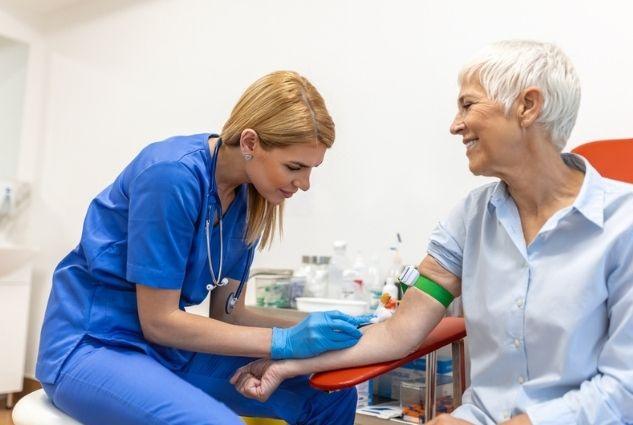
Because we have pathology collection on site at Biggera Waters, most people can have their blood taken straight after the consultation rather than travelling somewhere else. Results usually come back within a couple of days and your GP will arrange a review to go through them.
Finding The Cause Matters As Much As Replacing The Iron
This is the part that gets skipped, and it is the part that matters most. Iron deficiency is a symptom, not a diagnosis. Topping up your iron without asking why it dropped can mean an important underlying problem goes unnoticed, and the deficiency simply comes back once treatment stops.
In women who are still menstruating, heavy periods explain most cases. In men, and in women who have been through menopause, unexplained iron deficiency needs proper investigation, because slow blood loss from the stomach or bowel is a genuine possibility and can be the first sign of something that is far easier to treat when it is caught early. Depending on your age, symptoms and history, your GP may recommend coeliac testing, bowel investigations or a referral.
That is not a reason to worry, it is a reason to get checked properly rather than buying supplements off the shelf and hoping.
Treating Low Iron: Diet, Tablets And Iron Infusions
Treatment is matched to how low your iron is, how you are feeling, what is causing it and how well you tolerate iron by mouth. There are three tools, and they are often used together.
1. Iron Rich Foods
Diet alone will rarely correct an established deficiency, but it protects your levels once they are restored. Animal sources contain haem iron, which is absorbed far more readily: red meat, liver, chicken, fish and shellfish. Plant sources contain non haem iron and include lentils, chickpeas, beans, tofu, pumpkin seeds, dark leafy greens, wholegrains and iron fortified cereals. Pair plant sources with vitamin C such as capsicum, tomato, citrus or kiwi fruit to boost absorption, and keep tea, coffee, milk and calcium supplements away from those meals by an hour or two. Our article on nutrition and long term health goes further into building meals around this.
2. Iron Tablets And Supplements
Oral iron is usually the first line of treatment. It is inexpensive, effective for most people and available from pharmacy. A few practical points make a real difference. Absorption is often better when iron is taken on alternate days rather than daily, because a daily dose can blunt uptake of the next one. Taking it with a glass of orange juice helps, and taking it with tea, coffee, dairy or antacids does not. Constipation, nausea and black stools are common and expected. Black stools from iron are harmless, but do mention any dark or tarry stools to your GP so they are not confused with bleeding.
Iron tablets are slow. Haemoglobin usually starts responding within a few weeks, but rebuilding your ferritin stores takes months, and treatment is normally continued for around three months after your blood count normalises. Do not stop early just because you feel better, and do not start high dose iron without a blood test first, because too much iron is also harmful.
3. Iron Infusions
An iron infusion delivers iron directly into a vein through a drip, bypassing the gut entirely. It restores iron stores in one or two visits rather than several months. It is not a first choice for everyone, and it is not a general pick me up. It is used when there is a clear clinical reason, such as:
- Iron tablets cause side effects you cannot tolerate
- Tablets have been taken properly but levels are not improving
- A gut condition such as coeliac or inflammatory bowel disease is blocking absorption
- Ongoing blood loss is outpacing what tablets can replace
- Iron needs to be corrected quickly, for example later in pregnancy or before surgery
- Chronic kidney disease or heart failure is contributing
Iron infusions on the Gold Coast, at our Biggera Waters clinic. Iron infusions are performed on site at Harbour Town Doctors by Dr Nidah and by several of our other GPs, so you are not limited to one doctor’s availability when you need an appointment. They sit alongside the other in clinic procedures we handle here, including skin biopsies, implant insertion and removal, venesection and suturing. That means eligible patients can have the whole pathway, from blood test to treatment and follow up, handled in one place. You can see who is available on our our team page, or ask reception which doctor has the earliest opening.
What Happens During An Iron Infusion On The Gold Coast?
If your GP recommends an infusion, here is what a typical appointment looks like so there are no surprises on the day.
- Review and consent. Your GP confirms the diagnosis from your blood results, checks your history for anything that would make an infusion unsuitable, explains the benefits and risks and answers your questions.
- Placing the cannula. A small plastic tube is placed in a vein, usually in the arm or the back of the hand. This is the only uncomfortable part and it is brief.
- The infusion itself. The iron is given slowly through the drip. Depending on the preparation used, this typically takes somewhere between fifteen and forty five minutes. You can sit and read or use your phone.
- Observation afterwards. You are monitored for a period after the drip finishes, usually around thirty minutes, so that any reaction can be picked up straight away. Most people feel completely normal.
- Follow up bloods. Iron levels are rechecked a few weeks later, commonly at four to eight weeks, to confirm the stores have been replenished and to decide whether anything further is needed.
Iron Infusion Side Effects And Safety
Modern intravenous iron preparations have a good safety record, which is why infusions are now given in general practice rather than only in hospital. That said, no treatment is risk free and it is worth knowing what to expect.
Common and short lived. A headache, nausea, a metallic taste in the mouth, dizziness, or flu like aching in the joints and muscles for one to three days afterwards. These settle on their own.
Skin staining. If iron leaks out of the vein into the surrounding tissue it can leave a brown stain on the skin that may be long lasting or permanent. It is uncommon, but it is the reason the cannula is watched closely and why you should say something immediately if you feel any stinging, burning or swelling at the drip site during the infusion.
Low phosphate. Some preparations can lower blood phosphate levels, which occasionally causes ongoing tiredness or bone aches. Your GP may check this if symptoms persist after treatment.
Allergic reactions. Serious reactions are rare but possible, which is exactly why you are observed after the infusion rather than sent straight home.
An infusion is generally avoided in the first trimester of pregnancy, during an active infection, and in people with iron overload conditions such as haemochromatosis or a known allergy to intravenous iron. Your GP will go through your own situation with you before recommending it.
Low Iron In Pregnancy
Iron requirements roughly double during pregnancy. Blood volume expands, the baby draws on your stores, and deficiency in pregnancy is linked with greater fatigue, a harder recovery after birth and lower iron stores in the newborn. Iron is therefore checked as a routine part of antenatal care, usually at the first visit and again around the middle of the pregnancy.
Oral iron is the usual starting point. Where it is not tolerated or levels are not improving, an infusion may be offered from the second trimester onwards. If you are pregnant and feeling unusually breathless, dizzy or exhausted, do not wait for your next scheduled appointment to mention it.
Low Iron In Babies, Children And Teenagers
Iron deficiency in childhood matters because iron is needed for brain development as well as energy. Toddlers who drink large volumes of cow’s milk, fussy eaters, children on restricted diets and teenagers going through a growth spurt are all at higher risk. In teenage girls, the start of periods often tips the balance.
Signs to watch for include unusual pallor, irritability, poor appetite, low stamina compared with other children, and falling behind at school through poor concentration. If any of that sounds familiar, bring it up at a routine visit. Our guide on when your child needs to see a doctor covers the broader warning signs.
Helpful Reading
Health Screenings For Women
Why Regular Check Ups Matter
Patient FAQs
Frequently Asked Questions About Iron Deficiency And Iron Infusions
What are the first signs of low iron?
Usually tiredness that rest does not fix, breathlessness on stairs or during exercise, and difficulty concentrating. Pale skin, headaches, dizziness, brittle nails, hair shedding, restless legs at night and feeling cold when others do not are also common. Because these build up slowly, most people put them down to a busy life rather than iron deficiency.
What blood test checks iron levels?
A full blood count together with iron studies. Iron studies include ferritin, serum iron, transferrin or total iron binding capacity and transferrin saturation. Ferritin reflects your stored iron and is the most useful single marker. A full blood count on its own can look normal even when your iron stores are low, so ask for iron studies specifically.
Can I have low iron with a normal blood count?
Yes, and it is very common. Ferritin falls first, before haemoglobin does. This stage is called iron deficiency without anaemia and it can still cause fatigue, poor concentration and reduced exercise tolerance. It is one of the main reasons a general reassurance that your bloods were fine is not enough.
Do I need a referral for an iron infusion?
No. Iron infusions are prescribed and given by GPs. You need a consultation and recent blood results first so your doctor can confirm the diagnosis, look for the underlying cause and check the treatment is appropriate for you. Book an appointment to get that started.
How long does an iron infusion take?
Allow around one to two hours for the whole appointment. The drip itself commonly runs for fifteen to forty five minutes depending on the preparation used, and you are then observed for roughly thirty minutes afterwards before going home. You can drive yourself unless your doctor advises otherwise.
How quickly will I feel better after an iron infusion?
Some people notice more energy within a week or two, but it is more common to feel the difference over three to four weeks as your body uses the iron to make new red blood cells. Your GP will usually recheck your bloods around four to eight weeks afterwards to confirm your stores have been restored.
Is an iron infusion better than iron tablets?
Not automatically. Tablets are effective for most people, cheaper and non invasive, and they remain the first line of treatment. An infusion is better when tablets are not tolerated, are not being absorbed, are not working, or when levels need to be corrected quickly. Your GP will recommend whichever is right for your situation.
What are the side effects of an iron infusion?
Most people have none, or only a headache, nausea, a metallic taste or aching joints and muscles for one to three days. Brown skin staining can occur if iron leaks from the vein, which is why you should report any stinging or swelling at the drip site immediately. Some preparations can lower blood phosphate. Serious allergic reactions are rare, and you are monitored afterwards for that reason.
Can I have an iron infusion while pregnant?
Infusions are generally avoided in the first trimester but can be given from the second trimester onwards where oral iron is not working or not tolerated. Iron is checked routinely as part of antenatal care, and your GP will discuss the timing and options with you.
Will my appointment be bulk billed?
Harbour Town Doctors is an accredited bulk billing practice for eligible Medicare card holders. Costs for procedures and any pathology can vary, so please check with our reception team when you book so you know exactly where you stand. You can also read our patient information page.
Can I just take iron supplements without seeing a doctor?
It is not a good idea. Too much iron is harmful, some people carry a condition that causes iron overload, and supplements can mask a cause that needs investigating, such as slow bleeding from the bowel. A blood test first tells you whether you actually need iron and how much.
Where can I get an iron infusion on the Gold Coast?
Harbour Town Doctors is at Shop A054, 147 to 189 Brisbane Road, Biggera Waters, inside Harbour Town Premium Outlets, with free parking and onsite pathology. We are open seven days. Find us and get directions or call 07 5222 7117.
This article is general information only and is not a substitute for personal medical advice. Iron treatment should always follow a blood test and a discussion with your GP. If you are severely breathless, have chest pain or feel faint, seek urgent care or call 000.
When To See A GP About Low Iron
Book an appointment if any of the following apply to you.
- You have been tired for more than a few weeks without an obvious explanation
- You are short of breath, dizzy or your heart races with everyday activity
- Your periods are heavy, prolonged or getting worse
- You are pregnant, planning a pregnancy or have recently given birth
- You follow a vegetarian or vegan diet and have never had your iron checked
- You donate blood regularly
- You have coeliac disease, inflammatory bowel disease, chronic kidney disease or take long term reflux medication
- You have been told your iron is low before and never had the cause investigated
- You are taking iron tablets and either cannot tolerate them or are not improving
A routine check is also a good moment to review iron alongside everything else. If you are due for one, see what is covered in a preventive health assessment, or read our guide to how often you should have a health check by age. Patients in the relevant age brackets can also ask about the 45 to 49 year health check or the 75 and over health assessment. For everyday care, our general practice and family medicine team looks after patients across the northern Gold Coast, from Biggera Waters and Labrador through to Coombabah, Runaway Bay and Hollywell.