

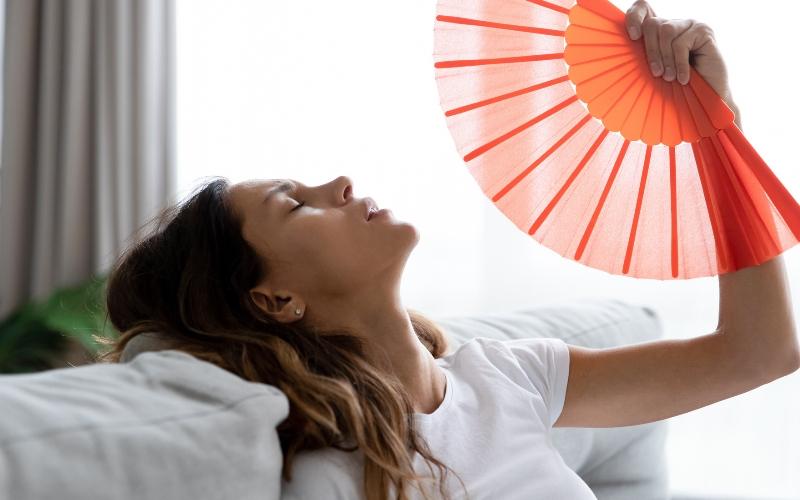
Night sweats that wake you at 3am. A period that turns up two weeks early, then skips a month. Feeling flat, anxious or foggy for no clear reason. For many women in their 40s, these changes arrive quietly and are easy to put down to stress or a busy life. Very often, they are the first signs of perimenopause.
This guide explains what perimenopause is, the most common perimenopause symptoms and early signs, what age it usually starts, how long it can last, and the treatment options a GP can talk through with you. If you live on the northern Gold Coast, our team at Harbour Town Doctors in Biggera Waters is here to help you make sense of it.
The Short Answer
- Perimenopause is the transition before menopause, when hormone levels rise and fall unevenly and periods start to change.
- It most often begins in your mid 40s, but symptoms can start in your late 30s.
- Common signs include irregular periods, hot flushes, night sweats, poor sleep, mood changes and brain fog.
- Menopause is confirmed once you have gone 12 months without a period.
- You can still get pregnant during perimenopause, so contraception still matters.
- A GP can usually recognise perimenopause from your age and symptoms, and there are effective treatment options.
What Is Perimenopause?
Perimenopause And Menopause Explained
Perimenopause means “around menopause”. It is the stage when your ovaries gradually slow down and your hormone levels, especially oestrogen and progesterone, start to fluctuate. Those ups and downs are what cause most perimenopausal symptoms, and they explain why you can feel fine one month and quite unwell the next.
People often use “menopause” to describe the whole process, but there are three distinct stages:
Perimenopause
Menopause
Postmenopause
Perimenopause Symptoms
And Early Signs To Look Out For
Every woman’s experience is different. Some notice very little, while others find the symptoms of perimenopause affect their work, sleep and relationships. These are the signs GPs hear about most often:
Changes To Your Periods
Hot Flushes
Night Sweats
Poor Sleep
Mood Changes
Brain Fog
Aches And Tiredness
Vaginal And Bladder Changes
Less Talked About
Signs Of Perimenopause
Some early signs of perimenopause are less well known, so women do not always connect them with hormones:
- Heart palpitations or a racing heart
- Headaches or migraines that change pattern around your period
- Breast tenderness
- Weight gain around the middle, even without changes to diet
- Dry skin, itchiness or thinning hair
- Feeling anxious in situations that never bothered you before
- Worse premenstrual symptoms (PMS)
These symptoms can also have other causes, such as thyroid problems, iron deficiency or heart conditions. Trouble concentrating can also have other causes, including ADHD in adults. That is why it is worth having them checked rather than assuming they are “just perimenopause”.
What Age Does
Perimenopause Start?
For most women, perimenopause starts in their mid 40s. It can begin earlier, sometimes in the late 30s, and a smaller number of women notice changes even sooner. Things that can affect when perimenopause starts include family history, smoking, and some medical treatments such as chemotherapy or surgery on the ovaries.
If your periods stop or you have menopause symptoms before 45, this is called early menopause. Before 40, it is called premature menopause or premature ovarian insufficiency. Both are worth discussing with a GP, because they can affect your long term bone and heart health.
How Long Does Perimenopause Last?
Perimenopause often lasts around four to six years, but it varies a lot. For some women it is a year or two, and for others it is closer to ten years. It ends with your final period, which you will only know for sure in hindsight, once 12 months have passed without one.
How Do I Know
If I Am Perimenopausal?
There is no single test for perimenopause. For women over 45, a GP can usually recognise it from your age, your symptoms and changes to your periods. Hormone blood tests are often not needed, because hormone levels can change from one day to the next and a single result can be misleading.
Your GP may still suggest a blood test to check for iron deficiency, thyroid problems or other conditions that cause similar symptoms, particularly if your periods have become very heavy. If you are under 45, further tests are more likely to be recommended.
Before your appointment, it helps to keep a simple record for two or three months:
- The dates of your periods and how heavy they are
- Hot flushes or night sweats, and how often they happen
- How you are sleeping
- Your mood, energy and concentration
- Any medicines, vitamins or supplements you take
Bring this with you. It makes it much easier for your GP to see the pattern and work out what will help.
Perimenopause Treatment
Options Your GP May Discuss
You do not have to simply put up with symptoms. Treatment for perimenopause symptoms is tailored to you, your health history and what is bothering you most. Your GP may talk through options such as:
Lifestyle Changes
Menopausal Hormone Therapy
Non Hormonal Options
Help With Heavy Periods
Vaginal Treatments
Mental Health Support
Hormone therapy is safe and effective for many women, particularly those under 60 or within 10 years of their last period, but it is not right for everyone. Your GP will weigh up your personal and family history before recommending any treatment, and will review it with you over time.
Do You Still Need
Contraception In Perimenopause?
Yes. Even if your periods are irregular, you can still ovulate and get pregnant during perimenopause. General advice in Australia is to keep using contraception until you have had no periods for 12 months if you are over 50, or for two years if you are under 50.
Some contraceptive methods can also help with perimenopausal symptoms such as heavy or irregular bleeding. Our guide to contraception options, including the pill, implant and IUD explains the choices in more detail.
Looking After Your Health
In Your 40s And 50s
Perimenopause is a good time to check in on your long term health. Falling oestrogen affects your bones and heart, so prevention matters more from here on. Your GP may suggest:
- A 45 to 49 year health check to review your risks and screening
- A heart health check covering blood pressure, cholesterol and diabetes risk
- A conversation about bone health, calcium, vitamin D and weight bearing exercise
- Keeping up to date with cervical screening and breast screening, as covered in our guide to essential health screenings every woman should have
- Support for mood, anxiety or sleep, including a GP mental health care plan if it would help
You can read more about why regular health checks matter at every age in our health check guide. If worry or low mood has crept up on you, our article on the hidden signs of anxiety may also help.
When To See A GP
Sooner Rather Than Later
Book an appointment promptly if you notice:
- Very heavy bleeding, such as soaking a pad or tampon every hour, or passing large clots
- Bleeding between periods or after sex
- Any bleeding once you have gone 12 months without a period
- Periods stopping, or menopause symptoms starting, before the age of 45
- Low mood or anxiety that is affecting your daily life
If you have chest pain or feel you might harm yourself, call 000 or go to your nearest emergency department. For crisis support you can call Lifeline on 13 11 14, any time.
For other symptoms that should never wait, see our guide to warning signs you should see a GP immediately.
Perimenopause Support
At Harbour Town Doctors

Our women’s health GPs see women with perimenopause and menopause symptoms every week. We take time to listen, check for other causes, and explain your options clearly so you can decide what feels right. Female GPs are available if you would prefer to see a woman doctor.
Harbour Town Doctors is a bulk billing medical centre at Harbour Town Premium Outlets in Biggera Waters, open 7 days, with free parking. We are close to Labrador, Runaway Bay, Coombabah, Hollywell and Southport. You can book an appointment online, meet our team, or check our frequently asked questions before you visit.
Perimenopause
Frequently Asked Questions
For many women, the first signs of perimenopause are changes to their periods, such as cycles becoming shorter or less predictable, along with poor sleep, night sweats or mood changes. Some women notice anxiety or brain fog before anything else.
Perimenopause most commonly starts in your mid 40s, although it can begin in the late 30s. If you have symptoms or your periods stop before 45, talk to your GP.
It usually lasts around four to six years, but it can be shorter or go on for up to about ten years. It ends with your final period, confirmed after 12 months without one.
Perimenopause is the transition, when hormone levels fluctuate and periods change. Menopause is your final period, confirmed once you have had 12 months in a row without a period.
Usually not if you are over 45. A GP can normally diagnose perimenopause from your age and symptoms. Blood tests may be used to rule out other causes, such as thyroid problems or low iron, or if you are younger.
Yes. Changing hormone levels can affect mood, and anxiety, irritability and low mood are common perimenopause symptoms. Treatment and support are available, so it is worth raising with your GP.
Yes. You can still ovulate, even with irregular periods. Keep using contraception until 12 months after your last period if you are over 50, or two years if you are under 50.
Regular exercise, good sleep habits and cutting back on alcohol help many women. Menopausal hormone therapy is the most effective treatment for hot flushes and night sweats, and non hormonal options are also available. Your GP can help you choose.
For many healthy women under 60, or within 10 years of their last period, the benefits of hormone therapy usually outweigh the risks. It is not suitable for everyone, so your GP will look at your personal and family history first.
Yes. Female GPs are available at our Biggera Waters clinic. You can request a female doctor when you book online or call reception.
Perimenopause is a normal stage of life, but that does not mean you have to struggle through it. If your symptoms are affecting your sleep, work or relationships, a conversation with a GP is a good first step. Our team at Harbour Town Doctors is here to help women across the northern Gold Coast feel more like themselves again.
This article is general information only and is not a substitute for personalised medical advice. Please speak with a GP about your own health.