

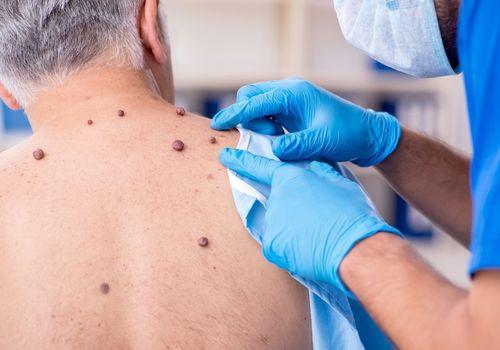
Most of us have at least one small growth we would rather not have. A skin tag that catches on a necklace, a mole that rubs under a bra strap, or a wart on a finger that just will not go away. They are very common, usually harmless, and most of the time a GP can sort them out quickly in the clinic.
Below we cover how to tell skin tags, moles and warts apart, the signs that mean a spot should be checked first, how skin tag removal, mole removal and wart removal actually work, and when Medicare helps with the cost. If you live on the northern Gold Coast, our GPs at Harbour Town Doctors in Biggera Waters can check and remove most of these growths on site.
The Short Answer
- Skin tags, moles and warts are usually harmless, but any new or changing spot should be checked by a doctor before it is removed.
- A GP can remove most of them in the clinic using freezing, a quick snip or a small surgical excision under local anaesthetic.
- If a removal is medically needed, for example a mole that needs checking for skin cancer, Medicare may cover it. Purely cosmetic removal is not covered by Medicare and is booked as a private appointment.
- Do not cut, tie off or burn growths at home. It can cause bleeding, infection and scarring, and can delay the diagnosis of a skin cancer.
Skin Tags, Moles And Warts:
How To Tell Them Apart
They can look a little alike at first glance, but they are quite different underneath. Here is the quick version, although only an examination can tell you for sure what you are dealing with.
Skin tags tend to show up more often in people living with diabetes or carrying extra weight, and during pregnancy, so it can be worth mentioning them at a pregnancy check up or when you see your GP about diabetes prevention.
Skin Tags
Moles
Warts
When To See A GP
About A Skin Lump Or Spot
Most lumps and spots turn out to be nothing to worry about. The catch is that some skin cancers can pass for an ordinary mole or growth, which is why it is worth having a spot looked at before anyone removes it. Make an appointment if a skin tag, mole or wart:
- Is new, or has changed in size, shape or colour
- Has several colours, or an uneven or blurry edge
- Bleeds, itches, crusts or will not heal
- Looks different from your other moles
- Is painful, keeps catching on clothing or jewellery, or keeps getting irritated
- Is a wart on your face, feet or genitals, or is spreading
- Appears while you are pregnant, have diabetes or have a weakened immune system
Not sure whether yours needs a look? Book a skin cancer check and mention it while you are there. If you want to know what to keep an eye on, our posts on skin changes you should never ignore and skin cancer signs that are easy to miss are a good place to start.
If you have a lot of moles or a family history of skin cancer, a full body skin cancer screening checks every spot in one visit. Here are ten good reasons to book one.
How GPs Remove
Skin Tags, Moles And Warts
There is no single method that suits everything. What your GP suggests depends on what the growth is, where it sits, how big it is and whether it should be tested. They will also tell you what the area is likely to look like once it has healed.
Freezing (Cryotherapy)
Snip Or Shave Removal
Surgical Excision
Most removals fit into a normal or slightly longer appointment. Several of our doctors enjoy procedural work, so a lot of this can be done here at the clinic rather than waiting to see a specialist.
Why You Should Not
Remove A Skin Tag At Home
We get it. A skin tag can look like an easy job for a pair of nail scissors. But skin tags contain small blood vessels and can bleed far more than you expect, and cutting, tying or burning them at home is an easy way to end up with an infection or a scar. Online removal kits carry the same risks.
The bigger worry is getting it wrong. If the thing you thought was a skin tag or a harmless mole is actually a skin cancer, removing it yourself means nobody gets to test it. Pharmacy wart treatments are fine for common warts on the hands, but leave moles, skin tags and anything on the face or genitals to a doctor.
Does Medicare Cover
Skin Tag, Mole And Wart Removal?
Short answer: it comes down to why the growth is being removed. Medicare helps when a removal is part of your medical care. It does not cover removal that is purely about how something looks.
When Medicare May Help
When It Is A Private Fee
You will not always know which one applies before you come in, and that is fine. Your GP will look at the spot and tell you. Fee details, including for overseas visitors and students, are on our patient information page, and our patient FAQs answer the common billing questions.
What Happens At
Your Removal Appointment
1. Assessment
2. Plan And Cost
3. Removal
4. Results And Follow Up
Aftercare
And Healing Tips
- Keep the dressing clean and dry for the time your doctor recommends, usually 24 to 48 hours.
- After freezing, a blister may form. Leave it alone and let it dry and fall off naturally.
- Avoid swimming, saunas and heavy exercise that stretches the wound until it has healed or the stitches are out.
- Protect the healing skin from the sun, as new skin marks and scars can darken with UV exposure. Our sun safety tips explain how.
- Call the clinic if you notice increasing redness, swelling, pus, fever or bleeding that will not stop.
Skin Tag And Mole Removal
At Harbour Town Doctors, Biggera Waters
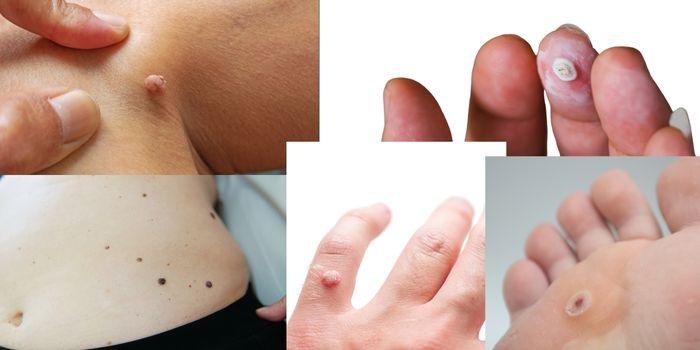
At our Biggera Waters clinic, checking and removing skin tags, harmless moles, cysts and warts is part of everyday general practice. Biopsies, excisions and freezing are all done on site, so the check and the treatment often happen at the same visit or at a short follow up appointment.
Our GPs regularly assess and remove skin growths, and several of our doctors have a special interest in skin checks and minor procedures. Any of our GPs can take a look at a spot you are worried about and talk you through the options. You can meet the doctors on our team page.
We are open 7 days with free parking, and patients come from Runaway Bay, Labrador, Coombabah, Paradise Point and across the northern Gold Coast. When you book your appointment, mention that you would like a growth removed so the right amount of time is set aside. Directions and opening hours are on our contact page.
Skin Tag, Mole And Wart Removal
Frequently Asked Questions
Yes. Most GPs can remove skin tags in the clinic, usually by freezing them or snipping them off after numbing the skin with a local anaesthetic. Your GP will check the growth first to make sure it is a skin tag and not something that needs testing.
Freezing causes a brief sting and some tenderness afterwards. When a skin tag or mole is snipped or cut out, a local anaesthetic is used first, so you should feel pressure but not pain during the procedure.
Not if you are having it removed for cosmetic reasons. Medicare does not pay for removing a harmless skin tag just because you would rather not have it, so that is a private fee. If your GP decides the removal is medically needed, Medicare may help.
The fee depends on the method and how many growths are removed. Our reception team can confirm the cost for a private removal appointment before you book, so there are no surprises.
If a mole needs to be removed for medical reasons, such as checking for skin cancer, it is part of skin cancer care, and skin cancer consultations and procedures at Harbour Town Doctors are bulk billed for eligible Medicare card holders. Removing a harmless mole for cosmetic reasons attracts a private fee.
Moles and lesions removed for medical reasons are usually sent to a pathology laboratory so they can be examined under a microscope. Your GP will arrange a follow up appointment to go through the results with you.
Often, yes. Around half of warts in children disappear within six months without treatment and most clear within two years, although adults can take longer. See a GP if a wart is painful, spreading, or on your face, feet or genitals.
A skin tag that has been fully removed does not usually grow back in the same spot, but new skin tags can form over time, particularly in areas where skin rubs together.
No referral is needed to see one of our GPs. Book a standard appointment online or call reception, and let us know you would like a growth checked or removed.
This article is general information only and is not a substitute for advice from your own doctor. If you are worried about a spot on your skin, book a check with a GP.