- Shop A054 / 147-189 Brisbane Road. Biggera Waters, QLD 4216
- admin@htdoctors.com.au
- Contact: 07 5222 7117

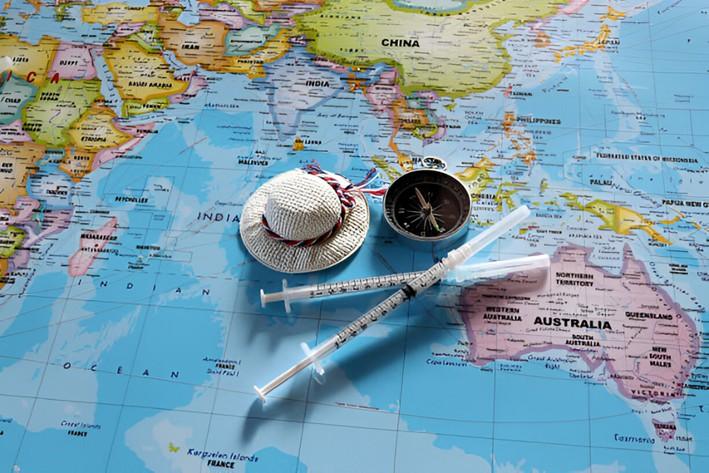
Preparing for international travel involves more than booking flights and organising accommodation. Your health needs equal attention, especially when visiting destinations with specific disease risks. Harbour Town Doctors provides structured, evidence-based travel health advice to help you stay protected before departure. Understanding which vaccinations you require ensures you travel safely, confidently, and with the correct medical preparation for your destination.
Health professionals strongly recommend preparing early. Some vaccines require multiple doses, while others take several weeks to become fully effective. Having the right immunisations not only keeps you safe but also prevents bringing serious illnesses back home.
Here’s what to be aware of before you fly.
Different countries have different disease risks. Some illnesses that are rare in Australia are more common overseas, especially in areas with limited access to clean water, tropical climates, or weaker health systems.
Travel vaccinations help you:
No two travel destinations are the same, so the recommended vaccines will depend on where you’re going, how long you’re staying and what activities you’re planning.
Below are some of the most common vaccinations recommended for Australians travelling abroad. Consult a healthcare professional for advice tailored to your needs.
Hepatitis A is spread through contaminated food and water, which makes it a common risk in many regions including Asia, the Pacific Islands, and parts of Europe.
Vaccination is recommended for travellers who:
This illness is spread through blood and bodily fluids. The risk increases with tattoos, dental procedures, sexual contact or medical treatment overseas.
You may need the Hepatitis B vaccine if you:
Typhoid spreads through contaminated water or food and is a particular risk in South Asia, Africa, and some Pacific countries.
Vaccination is recommended for:
Many Australians are up to date with tetanus through routine immunisation, but boosters are sometimes needed. Tetanus can enter the body through cuts or wounds, and access to medical care may be limited in some travel locations.
A booster may be necessary if:
Measles outbreaks still occur in many countries. Even countries with strong healthcare systems experience occasional surges.
A booster may be recommended if:
Some countries require proof of Yellow Fever vaccination upon entry, especially when travelling from an affected region.
You may need this vaccine if you are travelling to:
Only authorised clinics can provide this vaccination. Make sure to carry the official certificate.
This mosquito-borne disease is found mainly in rural Asia. The risk is higher during monsoon seasons or when staying near rice fields or pig farms.
Vaccination is often recommended for:
Rabies exists in many parts of Asia, South America and Eastern Europe. While the risk is low for most travellers, the consequences of exposure are serious.
A vaccine may be recommended if you:
Seasonal flu can spread quickly, especially in crowded airports, planes, and tourist areas. Flu vaccination before travel helps reduce the risk of illness abroad and prevents disruptions to your plans.
Vaccination is recommended for travellers who:
Vaccinations are only one part of travel health. You may also need to prepare for other risks.
Check if You Need:
In insect-prone regions, disease can spread through bites.
Measures include:
A travel doctor can help you create a complete health plan tailored to your destination.
Don’t wait until the week before your trip. Many vaccines require time to work, and some are given over multiple doses.
Ideally, book a travel health appointment:
If you’re travelling last minute, a doctor can still provide urgent or express options where possible.
Travel vaccinations are available from:
Specialised travel clinic often have the most up-to-date information about disease outbreaks and entry requirements.
Bring the following information:
This helps your doctor tailor the recommendations to your needs.
Some individuals require additional care when preparing for international travel.
Higher-risk travellers include:
A tailored medical assessment ensures these travellers receive the correct vaccination schedule and ongoing guidance throughout the preparation period.
Proper vaccination planning is essential for safe and confident international travel. Understanding your destination’s requirements and preparing well in advance protects you from preventable illness and ensures a smoother journey. For tailored travel health support and professional vaccination services, contact us to arrange your consultation before you fly.
It is recommended to book 4–6 weeks before departure to allow time for vaccine scheduling and effectiveness.
No. Requirements vary. Some countries have mandatory vaccines, such as Yellow Fever, while others only provide recommendations.
Duration depends on the vaccine. Some protect for several years, while others require boosters.
Yes. Your doctor will assess your health needs and determine which vaccines are suitable for your condition.
Yes, as disease exposure can occur even during brief stays, especially in high-risk regions.
You can still attend a consultation. Some vaccines offer rapid protection, and your doctor can advise on prioritising essential vaccinations.
At Harbour Town Doctors, we have been providing comprehensive medical care to patients, utilising a team of experienced doctors and allied healthcare professionals through a continuous envelope of personalised care.
Medical Centre Near Me
24 Hour Medical Centre Near Me
Bulk Billing Medical Centre Near Me
After Hours GP Near Me
GP Near Me
Best Doctors Gold Coast
Doctors Near Me
Bulk Billing Doctor Near Me
Bulk Bill Doctors Near Me
Female Doctors Near Me
Sexual Health Clinic Near Me
Women’s Health Clinic Near Me
Cosmetic Fillers Near Me
At Harbour Town Doctors, we have been providing comprehensive medical care to patients, utilising a team of experienced doctors and allied healthcare professionals through a continuous envelope of personalised care.
Medical Centre Near Me
24 Hour Medical Centre Near Me
Bulk Billing Medical Centre Near Me
After Hours GP Near Me
GP Near Me
Best Doctors Gold Coast
Doctors Near Me
Bulk Billing Doctor Near Me
Bulk Bill Doctors Near Me
Female Doctors Near Me
Sexual Health Clinic Near Me
Women’s Health Clinic Near Me
Cosmetic Fillers Near Me